January 29

Friday January 29th- LESSON ZOOM AND DOLLY ZOOM

**NEW** DAILY ATTENDANCE QUESTION**

1) CLICK TO ANSWER DAILY ATTENDANCE QUESTION

  1. Click Student Login
  2. Type in Room #  310569
  3. Type in your Last Name, (then) First Name
  4. Answer Daily Attendance Question


BELL RINGER: CLICK TO WATCH VIDEO

CNN 10:CLICK TO WATCH CNN 10

MOTIVATIONAL MESSAGE OF THE DAY: CLICK TO WATCH VIDEO

EXAMPLE VIRTUAL SCHEDULE: 2 Hours 45 Minutes

:00-to-10:00 (10 Minutes)- Bell Ringer Riddle & Video
10:00-to-20:00 (10 Minutes) – CNN 10 News (take daily Notes for Friday Quiz)
20:00-to-30:00( 10 Minutes) – Motivational Message Video
30:00-to-1:30 (1 Hour) – Daily Lesson (Readings, Power points, Video’s, etc)
1:30-to-1:45-( 15 Minutes)  BREAK
1:45-to-2:45 (1 Hour) – Daily Assignment/Project Time  (Readings,Video’s, Quiz, Questions Answering etc)

  1. Answer Daily Attendance Question

2. Watch the three video’s as part of the Greatness Studio Starters 1) Bell Ringer Video 2) CNN 10 News 3) Motivational Video

3. Watch, Listen, Read everything in the Lesson below.

4. Do everything asked for you to do in the Daily Assignment: Read, Watch, Type and answer!

LESSON: ZOOM AND DOLLY ZOOM

VIDEO: CLICK TO WATCH

POWERPOINT:  CLICK TO READ AND REVIEW

MORE INFORMATION: CLICK TO READ AND REVIEW

LESSON NOTES:

CAMERA MOVEMENTS ZOOM

Zoom

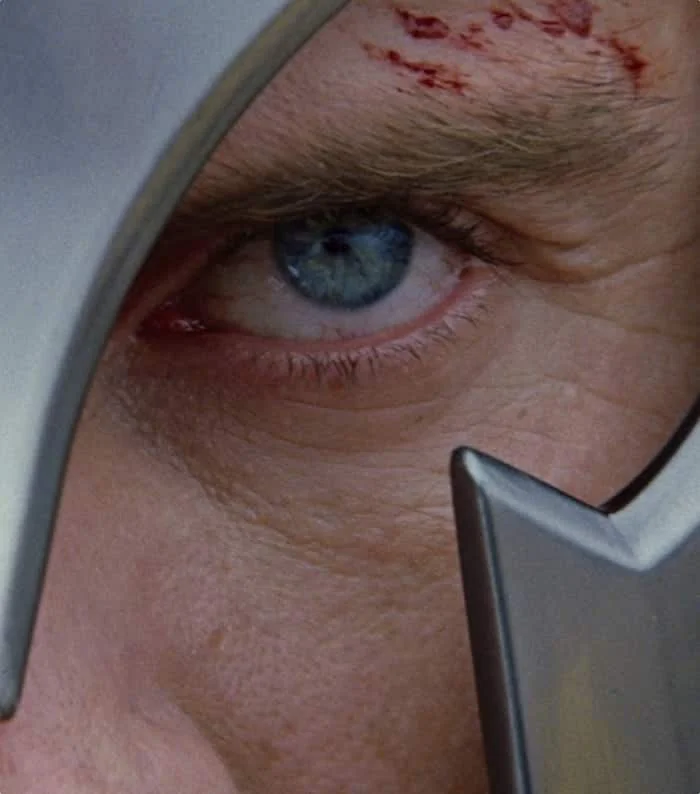
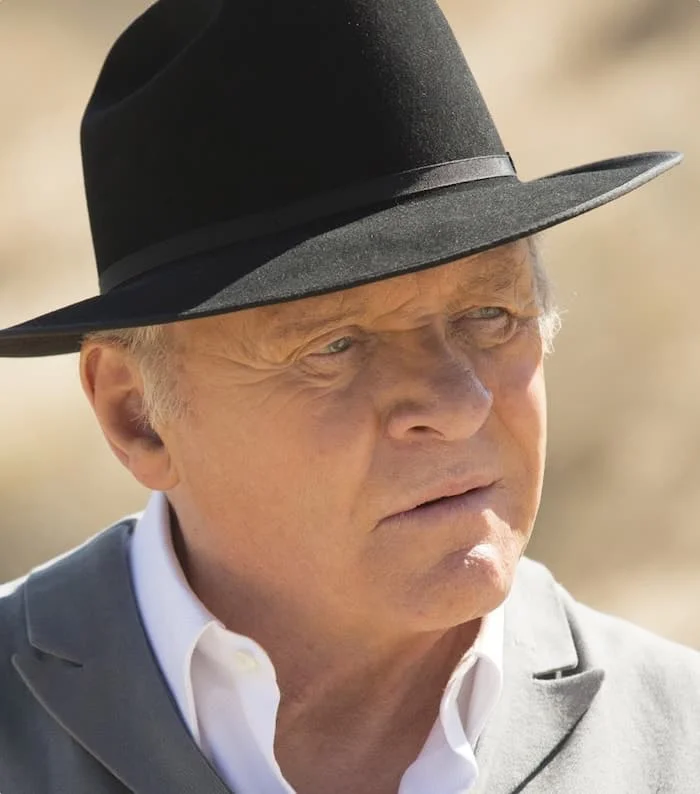
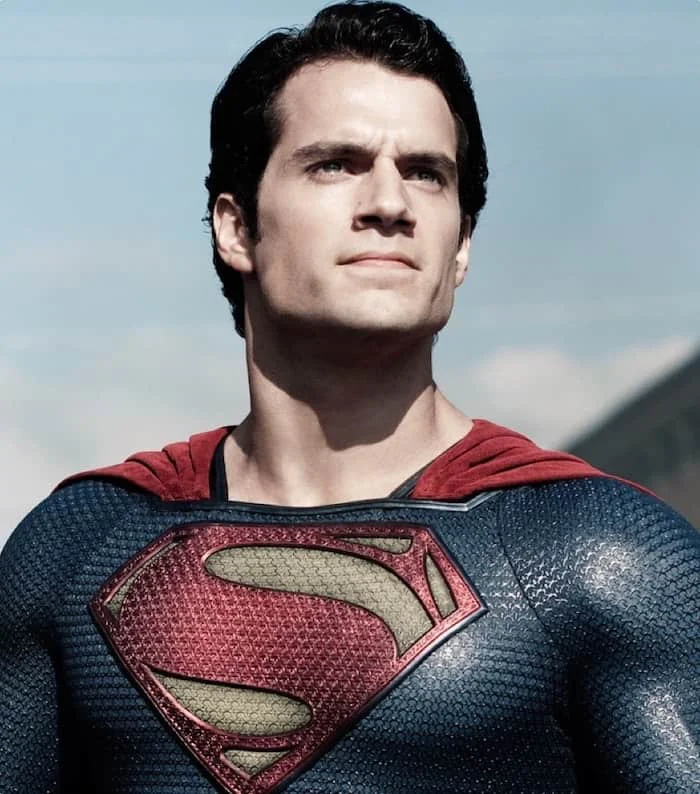
Although zooms are technically not a camera movement they do create movement within the image. Zooms change the focal length of a camera lens to either zoom in (magnify) or zoom out (de-magnify) the size of a subject in the frame.

Zooms are unique because there is no equivalent to it in the experience of the human eye. Zooms can feel artificial or even unnatural. For these reasons, zooms are one of the best camera movements to use in horrors and thrillers.

The zoom is commonly found in Stanley Kubrick’s directing style. By using it on specific characters, Kubrick makes us feel uneasy by them as they descend into madness like in this shot from Full Metal Jacket.

CLICK TO WATCH EXAMPLE FROM FULL METAL JACKET

When watching Kubrick’s best films, keep an eye out for zoom shots. Although zooms may not be as prevalent in modern cinema, they can still be effective storytelling devices when used with intention. And the best way to understand the intention behind a shot is to study masters like Kubrick.

If you’re an aspiring cinematographer or director, you know that the camera is your primary storytelling tool. How you move the camera or how you frame a subject communicates intangible information to the audience. The zoom shot is just one of these techniques and adds a very particular and nuanced message. Knowing what this message is is critical to deciding when to use it. So, what is a zoom shot?

ZOOM DEFINITION

Zoom shots explained

When you sit down to flesh out your shot list, where does a zoom shot fit in? Why does a zoom shot make perfect sense for that moment? That’s what we will get to in this post. Before we jump into some creatives examples, let’s define zoom shots.

ZOOM SHOT FILM DEFINITION

What is a zoom shot?

zoom shot is when the focal length of a camera lens is adjusted to give the illusion of moving closer or further away from the subject. Zoom shots are done with a zoom lens, which have variable focal lengths. The most typical camera zoom types are the “zoom in” and “zoom out,” but it can also be combined with a dolly shot to create a “dolly zoom.”

WHY USE A ZOOM SHOT?

  • To draw attention to a specific detail in the shot
  • When you want to give a character power
  • To emphasize a comedic or dramatic moment

TYPES OF CAMERA MOVEMENTS IN FILM

Dolly Zoom

One of the more heavy-handed camera movements is the dolly zoom. A dolly zoom is achieved by dollying the camera away from or toward a subject while simultaneously zooming in the other direction. Dolly zooms are an incredibly intentional camera movement because they have such a specific effect.

The visual effect of a dolly zoom that is distinctive. In the fantasy and horror genre, it is used to portray a supernatural force. We break down an example of this from Lord of the Rings: The Fellowship of the Ring in this video essay.

Dolly Zoom  •  Subscribe on YouTube

Filmmakers have used the dolly zoom to visually portray other conflicts as well. It is commonly used to capture the internal conflict of a character. The dolly zoom can also be used in a positive way. By making the background larger while maintaining foreground size, the dolly zoom can also establish a relationship between two characters.

Dolly zoom basics

In a world plagued by uncertainty, there is still, at the very least, one thing on which we can rely. That when a conversation on filmmaking techniques arises, inevitably someone, somewhere will mention…

The dolly zoom.

It’s a simple enough camera technique and there are certain moments in a film when the “vertigo effect” works best. We’ll explain how to shoot a dolly zoom and when to use one but, first, let’s lay out a definition. So, what is a dolly zoom?

DOLLY ZOOM DEFINITION

What is a dolly zoom?

dolly zoom is an in-camera effect where you dolly towards or away from a subject while zooming in the opposite direction. Also known as a zolly, this shot creates a sense of unease in the viewer, simulates a spatial warp, and can either shrink or extend distances based on the choice of direction.

This shot is commonly referred to as a vertigo shot, or vertigo effect thanks to Alfred Hitchcock’s film Vertigo, which used the shot multiple times and to great effect.

What to consider when you use a dolly zoom?

  • The direction of your dolly move
  • The focal length range of your lens
  • The speed at which you both dolly and zoom
  1. What is a zoom shot?
  2.  Why use a zoom shot?
  3. What is a dolly zoom?
  4. Why do you use a dolly zoom?

CNN 10

1. Name the city in China that was the original epicenter of the coronavirus outbreak one year ago.
2. Name the place that, in 1964, became the first city in Asia to host the Olympic Games.
3. What event is scheduled to begin on February 9 in the U.S. Senate?
4. In what nation have authorities announced the recent discovery of 100 ancient coffins, 40 gilt statues and various other artifacts?
5. In what U.S. state did a deadly tornado strike the communities of Fultondale and Center Point on Monday night?
6. According to a new study published in the Proceedings of the National Academy of Sciences, what animals might have accompanied migratory humans across the Bering Land Bridge?
7. A new bill in the U.S. Congress proposes to increase the federal minimum wage to what hourly amount, though there’s disagreement over how this would impact the economy?
8. Chum, humpback and silver are all types of what fish, which are endangered and the subject of numerous repopulation efforts?
9. What U.S. economic measurement “shrank” from $21.4 trillion in 2019 to $20.9 trillion in 2020 as a result of the coronavirus pandemic?
10. What is the name of the Mars rover that is carrying a helicopter named Ingenuity and is set to touch down on the Red Planet in three weeks?
January 28

Thursday Jan 28th: LESSON- PUSH IN, PULL OUT CAMERA MOVEMENT

**NEW** DAILY ATTENDANCE QUESTION**

1) CLICK TO ANSWER DAILY ATTENDANCE QUESTION

  1. Click Student Login
  2. Type in Room #  310569
  3. Type in your Last Name, (then) First Name
  4. Answer Daily Attendance Question

Weekly ZOOM MEETING TODAY (Thursday 1/28)

***Note NEW TIME FOR AM CALL THIS WEEK**** 9AM and 1PM

9AM

Join Zoom Meeting
https://us04web.zoom.us/j/76435330473?pwd=NGNIYjJiTVJLR2E2TzhCSmIwOWthQT09
Meeting ID: 764 3533 0473

Passcode: cJXCv1


1PM

Join Zoom Meeting
https://us04web.zoom.us/j/76331213438?pwd=V1N2T1dPRFlTOWRTQmp2bUR6UWpXdz09
Meeting ID: 763 3121 3438

Passcode: 5jrXT2

BELL RINGER:  CLICK TO WATCH VIDEO

CNN 10:CLICK TO WATCH CNN 10

MOTIVATIONAL MESSAGE OF THE DAY: CLICK TO WATCH VIDEO

EXAMPLE VIRTUAL SCHEDULE: 2 Hours 45 Minutes

:00-to-10:00 (10 Minutes)- Bell Ringer Riddle & Video
10:00-to-20:00 (10 Minutes) – CNN 10 News (take daily Notes for Friday Quiz)
20:00-to-30:00( 10 Minutes) – Motivational Message Video
30:00-to-1:30 (1 Hour) – Daily Lesson (Readings, Power points, Video’s, etc)
1:30-to-1:45-( 15 Minutes)  BREAK
1:45-to-2:45 (1 Hour) – Daily Assignment/Project Time  (Readings,Video’s, Quiz, Questions Answering etc)

  1. Answer Daily Attendance Question

2. Watch the three video’s as part of the Greatness Studio Starters 1) Bell Ringer Video 2) CNN 10 News 3) Motivational Video

3. Watch, Listen, Read everything in the Lesson below.

4. Do everything asked for you to do in the Daily Assignment: Read, Watch, Type and answer!

LESSON: PUSH IN, PULL OUT CAMERA MOVEMENT

VIDEO: CLICK TO WATCH

POWERPOINT: CLICK TO READ AND REVIEW

MORE INFORMATION: CLICK TO READ AND REVIEW

LESSON NOTES: 

DOLLY CAMERA MOVEMENT

Push In

A push-in moves the camera closer to a subject typically with a dolly camera movement or Steadicam. Push-ins can draw the audience’s attention toward a specific detail. Filmmakers also push-in toward characters to try and infer what is occurring internally. This can be a reaction, thought process, or internal conflict.

Check out the analysis of this push-in shot from The Assassination of Jesse James by the Coward Robert FordCinefix compares the use of the push-in with a dolly camera movement to a static shot to show its impact on the scene.

CLICK TO WATCH VIDEO EXAMPLE

Consider this scene from The Godfather. As Sonny and Tom spar over how to handle the family business after Don Corleone’s assassination attempt, the camera barely moves.

That is, until the moment Michael decides to step up and take control. The static camera leading up to that moment allows for even the slightest push in to Michael seem like a grand and powerful moment. Here’s a breakdown of the scene and how Coppola uses camera movement with masterful purpose and precision.

CLICK TO WATCH THE GODFATHER EXAMPLE

Subtle push-ins like these can have an enormous impact on how we perceive characters. They can be the missing component that connects an audience to a character and what they are thinking.

CAMERA MOVEMENT TERMS

Pull Out

The camera pull out is the exact opposite of the push in. A pull out is a smooth camera movement that moves the camera further away from a subject. This movement causes the subject to grow smaller while simultaneously revealing their surroundings.

Pull outs can be used to reveal setting and characters. Emotionally, pull outs can highlight a character’s isolation or loneliness. Stanley Kubrick uses this to detach us from Jack in this scene from The Shining.

CLICK TO WATCH THE SHINING EXAMPLE

As Jack descends into madness in the film, the pull out allows Kubrick to distance us from Jack, just as Wendy does. Kubrick demonstrates how to use the pull out to both reveal information and entice emotion.

  1. Describe Push In camera movement?
  2. Why do you use a Push In Camera movement in a film?
  3. Describe Pull Out camera movement?
  4. Why do you use a Pull Out movement in a film?
January 27

Wednesday January 27th- LESSON: TILT CAMERA MOVEMENT

**NEW** DAILY ATTENDANCE QUESTION**

1) CLICK TO ANSWER DAILY ATTENDANCE QUESTION

  1. Click Student Login
  2. Type in Room #  310569
  3. Type in your Last Name, (then) First Name
  4. Answer Daily Attendance Question

Weekly ZOOM MEETING Tomorrow (Thursday 1/28)

***Note NEW TIME FOR AM CALL THIS WEEK****

9AM and 1PM

BELL RINGER:  CLICK TO WATCH VIDEO

CNN 10:CLICK TO WATCH CNN 10

MOTIVATIONAL MESSAGE OF THE DAY: CLICK TO WATCH VIDEO

EXAMPLE VIRTUAL SCHEDULE: 2 Hours 45 Minutes

:00-to-10:00 (10 Minutes)- Bell Ringer Riddle & Video
10:00-to-20:00 (10 Minutes) – CNN 10 News (take daily Notes for Friday Quiz)
20:00-to-30:00( 10 Minutes) – Motivational Message Video
30:00-to-1:30 (1 Hour) – Daily Lesson (Readings, Power points, Video’s, etc)
1:30-to-1:45-( 15 Minutes)  BREAK
1:45-to-2:45 (1 Hour) – Daily Assignment/Project Time  (Readings,Video’s, Quiz, Questions Answering etc)

  1. Answer Daily Attendance Question

2. Watch the three video’s as part of the Greatness Studio Starters 1) Bell Ringer Video 2) CNN 10 News 3) Motivational Video

3. Watch, Listen, Read everything in the Lesson below.

4. Do everything asked for you to do in the Daily Assignment: Read, Watch, Type and answer!

LESSON: TILT CAMERA MOVEMENT

VIDEO: CLICK TO WATCH 

POWERPOINT: CLICK TO READ AND REVIEW

EXTRA INFORMATION: CLICK TO READ AND REVIEW

LESSON NOTES:

Tilt

Camera tilts are just like pans, only vertical. Tilt camera movements direct a camera upward or downward. Camera tilts can be used to give a character dominance in a shot or to reveal new information to the audience. Tilts enable filmmakers to capture the verticality of a film in moments of awe and spectacle.

Steven Spielberg’s style uses the tilt often. In one of Spielberg’s best moviesJurassic Park, he uses the tilt when first introducing the dinosaursThe camera tilt perfectly captures the emotions of the film’s characters while eliciting awe in the audience.

CLICK TO WATCH VIDEO EXAMPLE FROM JURASSIC PARK

Spielberg is known for his dynamic camera movement. This scene is a perfect example of how a tilt up camera movement can have an emotional response. Sir Steven is also known for the Spielberg oner — his uncanny ability to use different types of camera movements to shoot complete scenes in one shot.

CLICK TO WATCH VIDEO ABOUT SPIELBERG’S ONE SHOT

Spielberg’s intentional camera movement can be found throughout some of his best work.

Before style is developed, grasping the basics of cinematography is critical. This post briefly goes over the tilt shot, this basic yet essential camera movement and the best ways in which to use it. So what is a tilt shot?

DEFINING THE TILT SHOT

What is tilt camera movement?

There are many ways to move the camera, but tilting your camera has to be one of the easiest, and effective techniques you can do.

TILT SHOT DEFINITION

What is a tilt shot?

tilt shot is shot that uses a cinematographic technique called tilting in which the camera stays fixed but rotates up and down on a vertical plane. Tilting is similar to the motion of an individual raising or lowering their heads. This is different than the panning of a camera which also sits on a fixed but moves left to right. Equipment like a tilt-shift lens enables this vertical camera motion.

WHY USE A TILT SHOT?

  • In an establishing shot — brings us to into a location
  • Downward tilts observe action over a large area
  • Upward tilts can create psychological impression of inferiority or weakness in a character

You can achieve a tilt shot with any number of camera rigs. From a tripod to a dolly to a crane and even a drone. By combining the tilt shot with the different camera mechanisms, you can change the dynamic of the shot.

WHY THE TILT SHOT?

Using the tilt shot

You can learn to use a tilt shift lens but these lenses aren’t needed. As long as the camera is mounted on a tripod or handheld, simply angle it up or down.

How can you use the tilt in your own filmmaking?

These shots are more dramatic than your standard straight-angle shot. This kind of up and down movement shifts the audience’s attention from one area to another, vertically extending the range of the visual scope. This framing works well for shooting establishing shots.

They Establish Scenes

If we start with a character and tilt up, often our location is established. Conversely, if we begin by tilting the camera down, we can gradually reveal the location. You can use them to reveal much more than character and geography, depending on what your narrative demands. This is often useful in comedy, or even horror.

Tilt Movement Affects Psychology and Physical Space

Tilting the camera down from the perspective of one character to another visually indicates superiority from the higher angle point of view. It’s a great tool to show power vs. vulnerability in the film.

This works with physical spaces as well.

If the objective is to show how massive a building is, an upward tilt shot lends itself to awe and superiority.

Also, a downward tilt can have the same effect if it’s meant to reveal something epic. See the tilt from Star Wars.

CLICK TO WATCH EXAMPLE FROM STAR WARS

  1. What is a tilt shot?
  2. Why use a tilt shot?
  3. How did Spielberg use that tilt shot in Jurassic Park?
  4. How was the tilt shot used in the Star Wars video example?


January 26

Tuesday January 26th- LESSON: PAN CAMERA MOVEMENT

**NEW** DAILY ATTENDANCE QUESTION**

1) CLICK TO ANSWER DAILY ATTENDANCE QUESTION

  1. Click Student Login
  2. Type in Room #  310569
  3. Type in your Last Name, (then) First Name
  4. Answer Daily Attendance Question

BELL RINGER:  CLICK TO WATCH VIDEO

CNN 10:CLICK TO WATCH CNN 10

MOTIVATIONAL MESSAGE OF THE DAY: CLICK TO WATCH VIDEO

EXAMPLE VIRTUAL SCHEDULE: 2 Hours 45 Minutes

:00-to-10:00 (10 Minutes)- Bell Ringer Riddle & Video
10:00-to-20:00 (10 Minutes) – CNN 10 News (take daily Notes for Friday Quiz)
20:00-to-30:00( 10 Minutes) – Motivational Message Video
30:00-to-1:30 (1 Hour) – Daily Lesson (Readings, Power points, Video’s, etc)
1:30-to-1:45-( 15 Minutes)  BREAK
1:45-to-2:45 (1 Hour) – Daily Assignment/Project Time  (Readings,Video’s, Quiz, Questions Answering etc)

  1. Answer Daily Attendance Question

2. Watch the three video’s as part of the Greatness Studio Starters 1) Bell Ringer Video 2) CNN 10 News 3) Motivational Video

3. Watch, Listen, Read everything in the Lesson below.

4. Do everything asked for you to do in the Daily Assignment: Read, Watch, Type and answer!

LESSON- PAN CAMERA MOVEMENT

VIDEO: CLICK TO WATCH

POWERPOINT: CLICK TO READ AND REVIEW

MORE INFORMATION: CLICK TO READ AND REVIEW

LESSON NOTES:

PAN CAMERA MOVEMENT

Pan

The camera pan directs a camera horizontally left or right. The pan camera movement is typically achieved with a tripod head, but can also be done handheld or with a stabilizer.

Pans are often motivated by a character’s actions. They can also be used to reveal new information to the audience.

When done quickly with speed, the fast camera movement is known as a whip pan. Whip pans are one of the best camera movements to add energy to a shot. Whip pans can be used between two characters rather than cutting to establish a more energetic connection.

We analyzed the whip pans of La La Land in this video essay above to see how they effectively energize the relationship between Sebastian and Mia.

Although the pan is one of the most basic camera movements, it can also be one of the most effective. Creative uses like whip pans can be found in the distinct styles of directors such as Wes Anderson’s filmmaking.

Whip pans, swish pans, whip shot — whatever you call them, they are a great tool for creating seamless cuts and cool effects in your videos, but understanding how to build an effective whip pan is equally important.

Looking for examples of each swish pan effect along with a step-by-step guide for achieving a seamless whip shot cut? We’ve got you covered.

  1. Whip Pan Basics
  2. Whip Pan Effects
  3. Whip Pan Cuts
  4. How to Shoot Whip Pans

WHIP PAN VIDEO SHOTS

Whip Pan Essentials

Whip pans are used many different ways, and for many different reasons. They are great for any genre of filmmaking as long as you have a plan.

Paul Thomas Anderson, Edgar Wright, Damien Chazelle, Wes Anderson, Sam Raimi, Peter Jackson, Quentin Tarantino, Tina Fey — all of these filmmakers have relied on the effectiveness of a good ol’ whip pan.

Let’s look at the whip pan definition.

WHIP PAN DEFINITION

What is a whip pan (swish pan)?

whip pan or swish pan is an intentional camera rotation on the x-axis that is so fast that it creates an often disorienting blur effect. A whip pan or whip shot can be done on a tripod, dolly, gimbal, or even handheld.

This same technique can be used when rotating the camera on the y-axis, but would then be referred to as a whip tilt.

What does a whip pan (swish pan) do?

  • Moves fast enough to blur imagery
  • Can transition through time and space
  • Can simulate fast moving objects or people

A panning camera can be achieved with just about any camera rig. Whether it is handheld, using a dolly or crane, or even a drone. Here’s a video breakdown of the various types of camera rigs, how they work, and how they add to the “feel” and look of a shot.

SWISH PAN VIDEO EFFECTS

Ballistic movement effect

Whip pans can be used to simulate an object traveling through space.

Combine this with props, debris, and stage blood to create the effect that someone or something was just struck by a moving object.

WHIP SHOT VIDEO EFFECTS

Back and forth effect

You can also use the whip pan to go back and forth from the same area for a few different reasons, but it will most likely be to allow for a setup and gag to payoff, or as a form of communication by the actors.

The whip pan is a perfect technique to show an actor see something, give us a slight delay, and then return for their reaction to the off screen imagery. It breaks the moment into little bite size morsels, and stretches the laughs.

WHIP PAN VIDEO EFFECTS

Generate energy effect

A whip pan can be simply used to generate extra energy in your scene, and serve the very simple purpose of build momentum for your story.

WHIP SHOT VIDEO EFFECTS

Hyper Speed effect

Any time you have a vehicle or person that travels at super speeds, you can use a whip pan to simulate the ultra fast movement that takes place.

When would you use this?

This can be especially useful in action sequences when something zips by, or when one of your characters has super human speed.

Here is an example from The Flash on CW.

VIDEO EXAMPLE: CLICK TO WATCH

There are times where a director like JJ Abrahms or Rian Johnson will use the whip pan and combine these uses for that extra effect.

See an example of this in Star Wars below:

VIDEO EXAMPLE: CLCIK TO WATCH

As you can see, a whip pan can spice up a scene with some extra energy, but it is perfect for vehicles and spaceships traveling across the screen.

SWISH PAN VIDEO EFFECTS

Doppelgänger effect

Because a swish pan can be rather disorienting, you can use them to do a lot of things that would otherwise break the conventional rules of cinema.

This includes resetting orientation, which makes it easier to break the 180 degree line during your scene, but you can do something else quite fun…

You can easily simulate a clone or doppelgänger.

How do you go about creating this effect?

To do this, simply whip away from your actor (A point) and land back on your actor (B point) after you’ve had the opportunity to reposition them.

You will need to combine two separate whip pans for this, rather than creating a seamless single whip pan shot that is uninterrupted.

WHIP PAN VIDEO TRANSITIONS

Scene transitions with whip pan cuts

Whip pans can also be used to transition from scene to scene, or use swish pans to travel through time and space at the filmmaker’s discretion.

Why is this important?

It not only shows off the power of a whip pan, but also points out how they can be used in the middle of a scene rather than simply as a transition.

What is interesting about a lot of whip pan transition and whip cuts is that modern filmmakers have taken to creating and enhancing whip pans in After Effects or building whip cuts in Adobe Premiere.

HOW TO SHOOT A WHIP PAN SHOT (SWISH PAN)

Follow these steps for whip pans

There are many ways to do a whip pan, but there are some basic principles you can follow that will give you the best chance for success.

1. Whip pan (swish pan) direction

One of the main aspects of combining two whip pan is to maintain a consistent direction of rotation between the two pans.

If the first half of your shot pans right…

The second half should also pan right.

2. Whip pan (swish pan) speed

If the first half of your whip pan moves significantly faster than the second half of your whip pan, you will have a harder time creating a seamless cut.

Maintain the same speed with both of your swish pans.

3. Visual consistency

While direction and speed are the most important factors, if you have two shots that need to match for the viewer to believe the technique on screen, you will want to match the lighting and color from shot to shot.

If you are transitioning to a new scene or location… maybe not so much.

4. Get more than one whip pan

Very rarely will you get the perfect whip pan on the first take, but even if you do happen to get lucky — run it back a few times. Get some for safety.

The odds will lean in your favor when you have multiple takes.

5. Cut together your whip pans

You will now cut together whip pans in your edit, but you should keep in mind your ability to speed ramp, punch in or out, and very simply use the tools inside your NLE to enhance the whip pan move on screen.

  1. What is a pan camera movement?
  2. What is a whip pan?
  3. List 3 things a whip pan does?
  4. How do you create the Doppelganger effect?
  5. List the steps for whip pans?


January 25

Monday January 25th- LESSON: CAMERA MOVEMENT (Static Shot)

**NEW** DAILY ATTENDANCE QUESTION**

1) CLICK TO ANSWER DAILY ATTENDANCE QUESTION

  1. Click Student Login
  2. Type in Room #  310569
  3. Type in your Last Name, (then) First Name
  4. Answer Daily Attendance Question

BELL RINGER:  CLICK TO WATCH VIDEO

CNN 10:CLICK TO WATCH CNN 10

MOTIVATIONAL MESSAGE OF THE DAY: CLICK TO WATCH VIDEO

EXAMPLE VIRTUAL SCHEDULE: 2 Hours 45 Minutes

:00-to-10:00 (10 Minutes)- Bell Ringer Riddle & Video
10:00-to-20:00 (10 Minutes) – CNN 10 News (take daily Notes for Friday Quiz)
20:00-to-30:00( 10 Minutes) – Motivational Message Video
30:00-to-1:30 (1 Hour) – Daily Lesson (Readings, Power points, Video’s, etc)
1:30-to-1:45-( 15 Minutes)  BREAK
1:45-to-2:45 (1 Hour) – Daily Assignment/Project Time  (Readings,Video’s, Quiz, Questions Answering etc)

  1. Answer Daily Attendance Question

2. Watch the three video’s as part of the Greatness Studio Starters 1) Bell Ringer Video 2) CNN 10 News 3) Motivational Video

3. Watch, Listen, Read everything in the Lesson below.

4. Do everything asked for you to do in the Daily Assignment: Read, Watch, Type and answer!

LESSON: CAMERA MOVEMENT (Static Shot)

VIDEO: CLICK TO WATCH

POWERPOINT: CLICK TO READ AND REVIEW

EXTRA INFORMATION: CLICK TO READ AND REVIEW

LESSON NOTES:

As cameras have become smaller over time, new technology is constantly being invented to move them in every direction possible. Understanding the effects of the different types of camera movements in film is essential for every filmmaker to understand. It not only makes them better cinematographers or directors, but better storytellers. Using the right movement that best serves your story will help you make each shot as effective as possible.

CAMERA MOVEMENT DEFINITION

Different types of camera movement

Before we take a look at the complete list of the different types of camera movements in film, let’s first take a look at the camera movement definition. This will help us better understand the best camera movements and why filmmakers use them.

CAMERA MOVEMENT DEFINITION

What is camera movement?

Camera movement is a filmmaking technique that causes a change in frame or perspective through the movement of the camera. Camera movement allows cinematographers and directors to shift the audience’s view without cutting. Specific types of camera movements in film also can create a psychological and emotional effect on the audience. These effects can be used to make a film more immersive and engaging.

Examples of types of camera movements in film:

  • Pan
  • Tilt
  • Push in
  • Pull Out

CAMERA MOVEMENT TERMS

Static

The first on our list of the types of camera movements in film is the static shot. A static shot has no camera movement at all. It is achieved by locking a camera to a fixed-position typically with a tripod. The stability of a static shot makes it non-distracting. This makes it one of the best camera movements for shot-reverse-shot dialogue, precise composition, or showcasing an actors’ performance.

A key distinction to Martin Scorsese’s directing style is allowing room for improvisation from his actors. Static shots with multiple cameras are perfect for capturing these moments.

To capture these moments where anything can happen, a static shot allows actors to work the scene together and produce something authentic. As great as static shots can be, deliberate and motivated camera movements can be incredibly effective storytelling devices.

Learn more about the static shot →

  1. What is camera movement?
  2. Why do you use camera movement?
  3. List four examples of camera movement?
  4. What is a static shot?
  5. Why is a static shot used in films?
January 22

Friday Jan 22nd- LESSON: TYPES OF CAMERA SHOTS WRAP UP REVIEW

**NEW** DAILY ATTENDANCE QUESTION**

1) CLICK TO ANSWER DAILY ATTENDANCE QUESTION

  1. Click Student Login
  2. Type in Room #  310569
  3. Type in your Last Name, (then) First Name
  4. Answer Daily Attendance Question

BELL RINGER: CLICK TO WATCH VIDEO

CNN 10:CLICK TO WATCH CNN 10

MOTIVATIONAL MESSAGE OF THE DAY: CLICK TO WATCH VIDEO

EXAMPLE VIRTUAL SCHEDULE: 2 Hours 45 Minutes

:00-to-10:00 (10 Minutes)- Bell Ringer Riddle & Video
10:00-to-20:00 (10 Minutes) – CNN 10 News (take daily Notes for Friday Quiz)
20:00-to-30:00( 10 Minutes) – Motivational Message Video
30:00-to-1:30 (1 Hour) – Daily Lesson (Readings, Power points, Video’s, etc)
1:30-to-1:45-( 15 Minutes)  BREAK
1:45-to-2:45 (1 Hour) – Daily Assignment/Project Time  (Readings,Video’s, Quiz, Questions Answering etc)

  1. Answer Daily Attendance Question

2. Watch the three video’s as part of the Greatness Studio Starters 1) Bell Ringer Video 2) CNN 10 News 3) Motivational Video

3. Watch, Listen, Read everything in the Lesson below.

4. Do everything asked for you to do in the Daily Assignment: Read, Watch, Type and answer!

LESSON= TYPES OF CAMERA SHOTS WRAP UP REVIEW

VIDEO: CLICK TO WATCH VIDEO

POWERPOINT: CLICK TO READ AND REVIEW

EXTRA INFO: CLICK TO READ,WATCH, REVIEW

LESSON NOTES:

What is a camera shot?

A camera shot is composed of the series of frames that are shot uninterrupted from the moment the camera starts rolling until it stops. Camera shots are an essential aspect of filmmaking and video productions, because by combining different types of shots, angles and camera movements, the filmmakers are able to emphasize specific emotions, ideas and movement for each scene.

Types of Camera Shot Sizes

THE DIFFERENT TYPES OF SHOTS
  1. Extreme Wide Shot (ELS)
  2. Long Shot (LS) / Wide Shot (WS)
  3. Full Shot (FS)
  4. Medium Long Shot (MLS) / Medium Wide Shot (MWS)
  5. Cowboy Shot
  6. Medium Shot (MS)
  7. Medium Close Up (MCU)
  8. Close Up (CU)
  9. Extreme Close Up (ECU)
  10. Establishing Shot 

CNN 10 QUIZ

1. What date is set by the U.S. Constitution as Inauguration Day in the United States?
2. What Amendment to the U.S. Constitution sets the date for Inauguration Day?
3. What time does the U.S. Constitution specify as when one presidential term ends and another begins?
4. What two-word term describes a population’s disease resistance that is achieved by either exposure and recovery or an effective vaccine?
5. The terms “starting zone,” “track” and “runout zone” are related to what kind of disaster, which a man recently survived and documented?
6. This week, Joe Biden was sworn in as U.S. president. He’s the 45th person to hold the job, but what number president is he?
7. Who was sworn in as the new U.S. vice president this week, becoming the first woman and woman of color to hold the job?
8. What animal, whose population is believed to be greatest off the coast of Ecuador, is the subject of both fishing and conservation?
9. The “One Small Step” Act is intended to help preserve certain American sites at what location?
10. Outbreaks of cold air that blow across warmer water can result in what specific kind of precipitation, which was covered in Friday’s show?
January 21

Thursday Jan 21st- LESSON: EXTREME CLOSE-UP

**NEW** DAILY ATTENDANCE QUESTION**

1) CLICK TO ANSWER DAILY ATTENDANCE QUESTION

  1. Click Student Login
  2. Type in Room #  310569
  3. Type in your Last Name, (then) First Name
  4. Answer Daily Attendance Question

WEEKLY ZOOM CLASS MEETING TODAY (THURSDAY 1/21)  10AM or 1PM.

10AM

Join Zoom Meeting
https://us04web.zoom.us/j/71680678847?pwd=QXl1K2hDMU1RZ24wN3VyVmNwV29zQT09
Meeting ID: 716 8067 8847

Passcode: b6S2mx

1PM

Join Zoom Meeting
https://us04web.zoom.us/j/71907620512?pwd=MnI4aXNqNnhXNnA5L1p4TGdvdzFsZz09
Meeting ID: 719 0762 0512

Passcode: Wn3y8s

BELL RINGER: CLICK TO WATCH

CNN 10:CLICK TO WATCH CNN 10

MOTIVATIONAL MESSAGE OF THE DAY: CLICK TO WATCH

EXAMPLE VIRTUAL SCHEDULE: 2 Hours 45 Minutes

:00-to-10:00 (10 Minutes)- Bell Ringer Riddle & Video
10:00-to-20:00 (10 Minutes) – CNN 10 News (take daily Notes for Friday Quiz)
20:00-to-30:00( 10 Minutes) – Motivational Message Video
30:00-to-1:30 (1 Hour) – Daily Lesson (Readings, Power points, Video’s, etc)
1:30-to-1:45-( 15 Minutes)  BREAK
1:45-to-2:45 (1 Hour) – Daily Assignment/Project Time  (Readings,Video’s, Quiz, Questions Answering etc)

  1. Answer Daily Attendance Question

2. Watch the three video’s as part of the Greatness Studio Starters 1) Bell Ringer Video 2) CNN 10 News 3) Motivational Video

3. Watch, Listen, Read everything in the Lesson below.

4. Do everything asked for you to do in the Daily Assignment: Read, Watch, Type and answer!

LESSON: EXTREME CLOSE-UP

VIDEO:  CLICK TO WATCH

VIDEO #2CLICK TO WATCH

MORE INFORMATION:  CLICK TO READ AND REVIEW

LESSON NOTES:

Extreme close-up shots are a very useful tool in cinema, but because they are so noticeable it’s important to know how and when to use them so that your viewer is generally on board with your shot selection.

We’re going to discuss the extreme close-up shot and go over which emotions are generated when you use one, and show you extreme close-up shot images and scenes that worked well.

DEFINING THE ECU

1. Extreme close-up basics

Extreme close-up shots are not just used on actors, but also used for b-rollinserts, and the odd establishing shot. In other words, there are many opportunities to use this type of shot and having it in your director’s toolbox will make you a stronger filmmaker.

So, let’s break it down.

EXTREME CLOSE-UP SHOT DEFINITION

What is an extreme close-up shot?

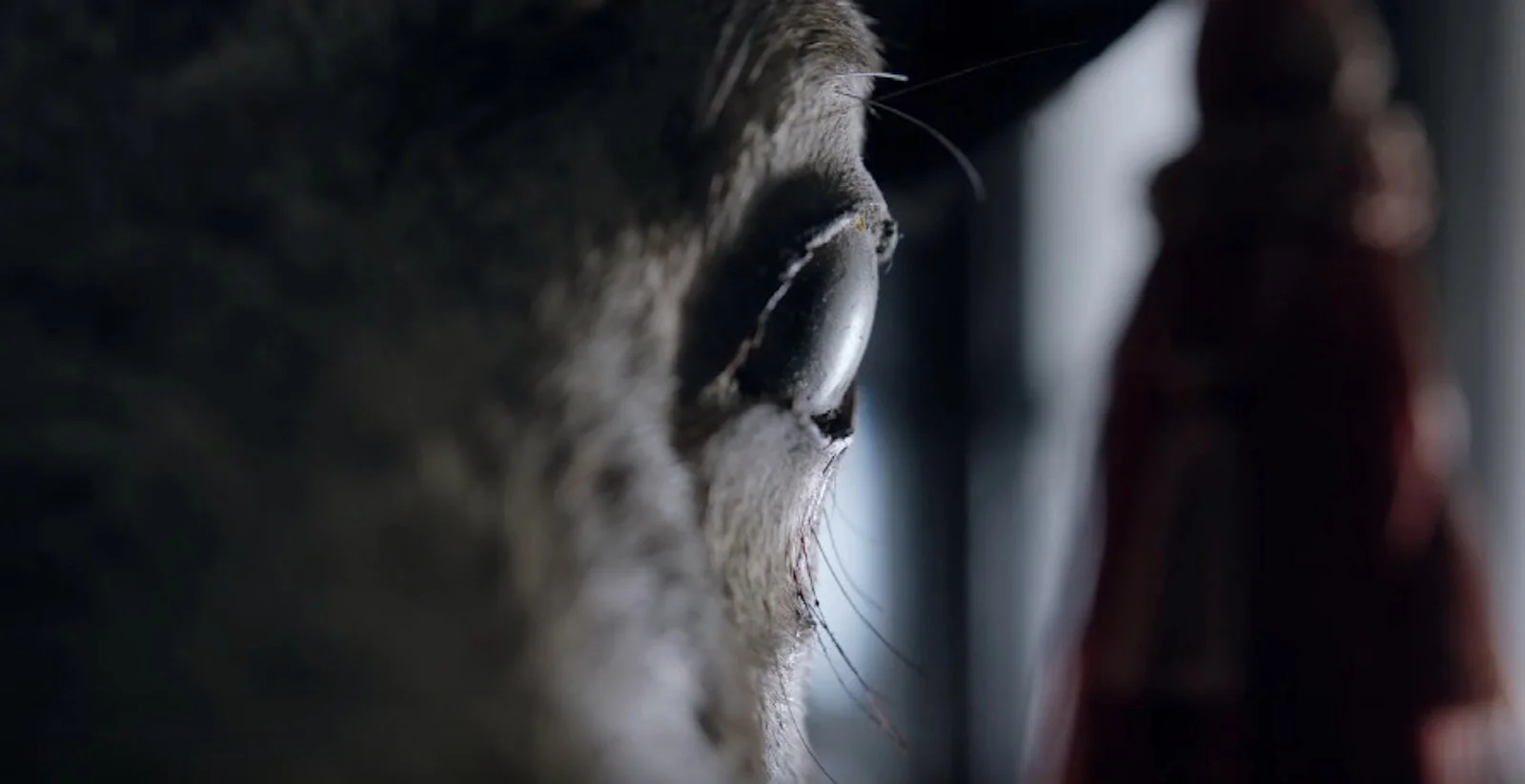
An extreme close-up shot frames a subject very closely, often so much so that the outer portions of the subject are cut off by the edges of the frame. On an actor, this is commonly used to show specific portions of the body, like the face or hip, but it can go closer to show only an actor’s mouth, or even a single eye.

Inanimate objects can also be framed in an extreme close-up shot, but everything is based on the scale and size of the object. If you were to frame a steaming tea-pot in an extreme close-up, you might focus on the spout or base. The idea is that you cannot see the entire subject, but rather are forced to focus on a particular portion, hopefully, for the desired effect.

ECU examples

Let’s show you some examples of extreme close-ups to see if we understand the motivation. Typically, directors use these shots for very specific narrative reasons.

The first of our extreme close-up shot images is from HBO’s The Night Of, and this is an example of using the extreme close-up for practical reasons, but also for thematic ones as well.

This mini-series is about a young man who is charged with the murder of a young woman, so they use extreme close-ups to show important pieces of evidence that give the viewer theories surrounding the crime.

Extreme Close Ups ECU The Night Of

ECU in The Night Of

But they also use this shot for other reasons, one of which is to generate even more questions by withholding information from the viewer.

This next example wasn’t so much to show us some terribly important…

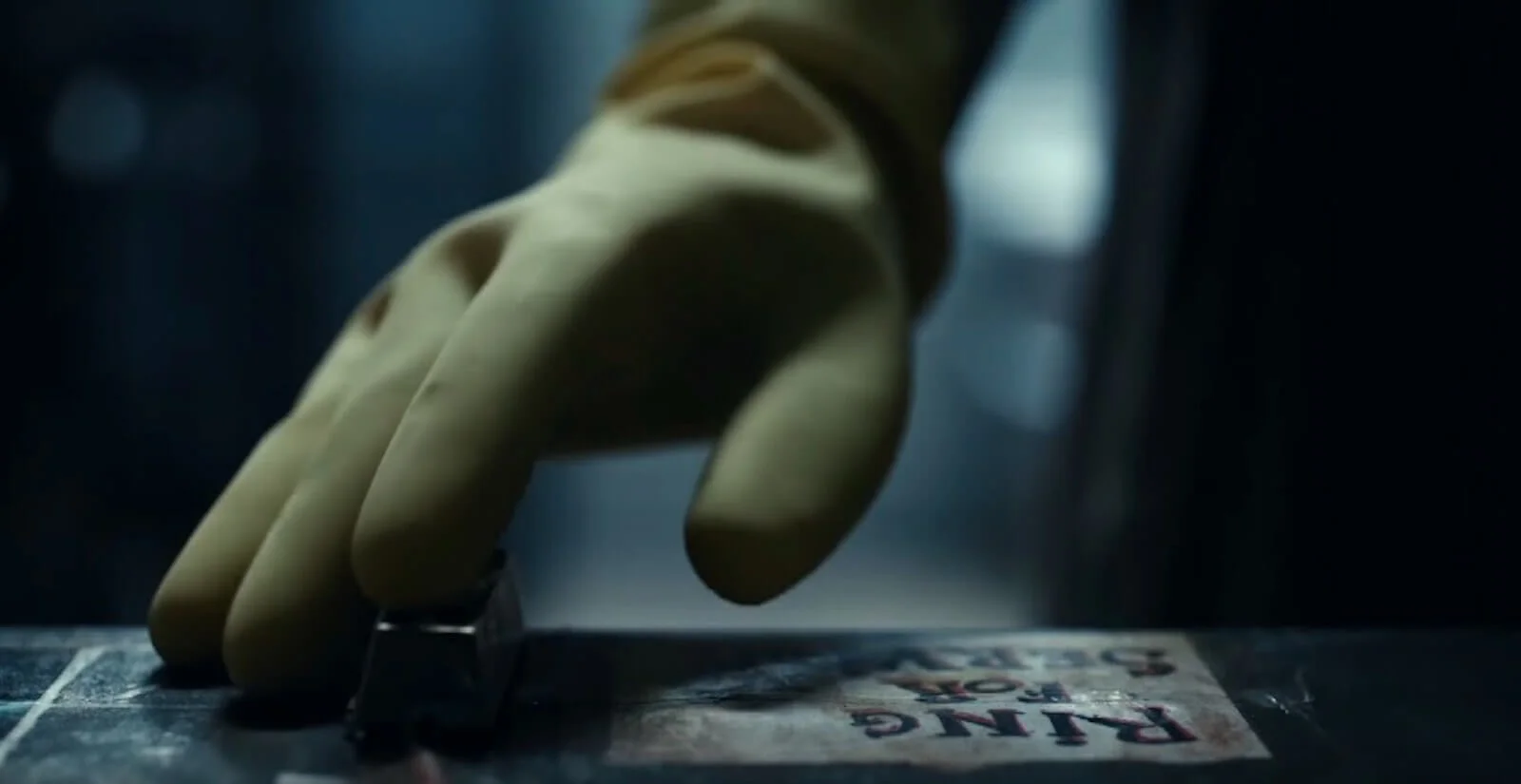
Extreme Close Ups ECU The Night Of Gloves

Extreme Close Up in The Night Of

But rather to make the viewer more curious about who is wearing the rubber cleaning gloves, and why they are wearing them.

Watch the trailer below. Can you spot the extreme close ups?

CLICK TO WATCH TRAILER

It isn’t just a case of withheld identity, but also withheld action.

ECUs can giveth info, but also taketh away.

Let’s look at an example from Sherlock Holmes: A Game of Shadows.

CLICK TO WATCH SHERLOCK HOLMES EXAMPLE

In this scene, Watson and Simza search around the room for an assassin, and they need to identify him by his features.

Again, you will be in charge of how close you set your ECU, but as long as portions of the subject are cut-off by the edges of the frame, you may safely label and refer to a shot as an extreme close up.

January 20

Wednesday January 20th- LESSON: Close Up

**NEW** DAILY ATTENDANCE QUESTION**

1) CLICK TO ANSWER DAILY ATTENDANCE QUESTION

  1. Click Student Login
  2. Type in Room #  310569
  3. Type in your Last Name, (then) First Name
  4. Answer Daily Attendance Question

WEEKLY ZOOM CLASS MEETING TOMORROW (THURSDAY 1/21)  10AM or 1PM.

BELL RINGER: CLICK TO WATCH

CNN 10:CLICK TO WATCH CNN 10

MOTIVATIONAL MESSAGE OF THE DAY: CLICK TO WATCH VIDEO

EXAMPLE VIRTUAL SCHEDULE: 2 Hours 45 Minutes

:00-to-10:00 (10 Minutes)- Bell Ringer Riddle & Video
10:00-to-20:00 (10 Minutes) – CNN 10 News (take daily Notes for Friday Quiz)
20:00-to-30:00( 10 Minutes) – Motivational Message Video
30:00-to-1:30 (1 Hour) – Daily Lesson (Readings, Power points, Video’s, etc)
1:30-to-1:45-( 15 Minutes)  BREAK
1:45-to-2:45 (1 Hour) – Daily Assignment/Project Time  (Readings,Video’s, Quiz, Questions Answering etc)

  1. Answer Daily Attendance Question

2. Watch the three video’s as part of the Greatness Studio Starters 1) Bell Ringer Video 2) CNN 10 News 3) Motivational Video

3. Watch, Listen, Read everything in the Lesson below.

4. Do everything asked for you to do in the Daily Assignment: Read, Watch, Type and answer!

LESSON: CLOSE UP

VIDEO: CLICK TO WATCH

POWERPOINT: CLICK TO READ AND REVIEW

MORE INFORMATION: CLICK TO READ AND REVIEW

LESSON NOTES:

A Close-up shot is one of the most commonly used shot sizes in film and television, but there are ways to make your close-ups extraordinary.

It may be when you decide to use them in your story, or how you angle your camera to get an added emotional effect, or by surrounding them with varying shot sizes. In this post, we’ll break it down for you.

The close-up is a shot often taken at relatively close range on a longer lens. The benefit of the close up is that it gives us a detailed and intimate look we might normally miss.

The close up in film and television allowed for a revolutionary new approach to acting and performing, since even the slightest glance and facial movement could convey meaning.

Before the close up existed, all performance was done on a stage and required larger movements to send any sort of message.

CLOSE-UP SHOT DEFINITION

What is a close-up shot?

close-up shot  is a photograph or movie shot taken of a subject or object at close range intended to show greater detail to the viewer. You should be able to recognize the imagery in the frame, and if the close-up is on an actor, there will be a much more significant emotional connection between your viewer and the subject or object featured in the shot.

Close-up shots signal to the audience that something is important, and this can be a prop or reaction, but often it is best when the subject or object has a significant influence on the story and the viewers understanding of your story.

CLOSE-UP SHOTS

Why use a close up shot?

So we’ve defined close-up, but chances are you already knew a little bit about the shot and how it looked. The real questions are why you use it, and when?

A lot of cinema has been about displaying grandeur and scope. Taking audiences place they could never go. But the close-up was that intimate tool to help relate the story back to the audience.

In a way, the close-up shot is a mirror the filmmaker holds up to the audience. We see ourselves reflected back in the characters.

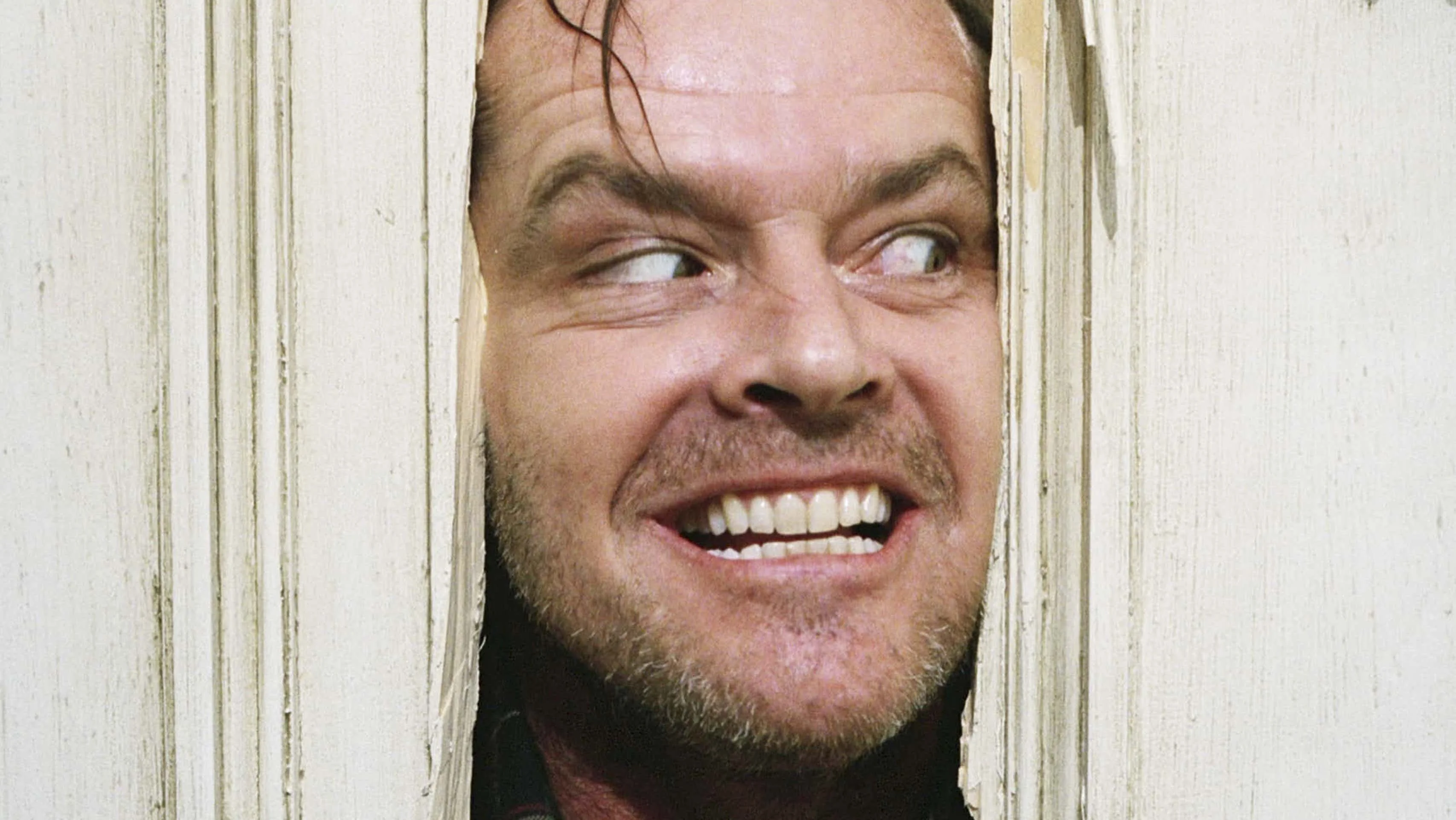
We see the world and the events of their story through their eyes. Or they can help us understand a character’s frustration with the moment. We can use the close up to identify when someone has lost their mind:

Close Up Shot - The Art of the Camera Angle - The Shining

Here’s… a close up shot!

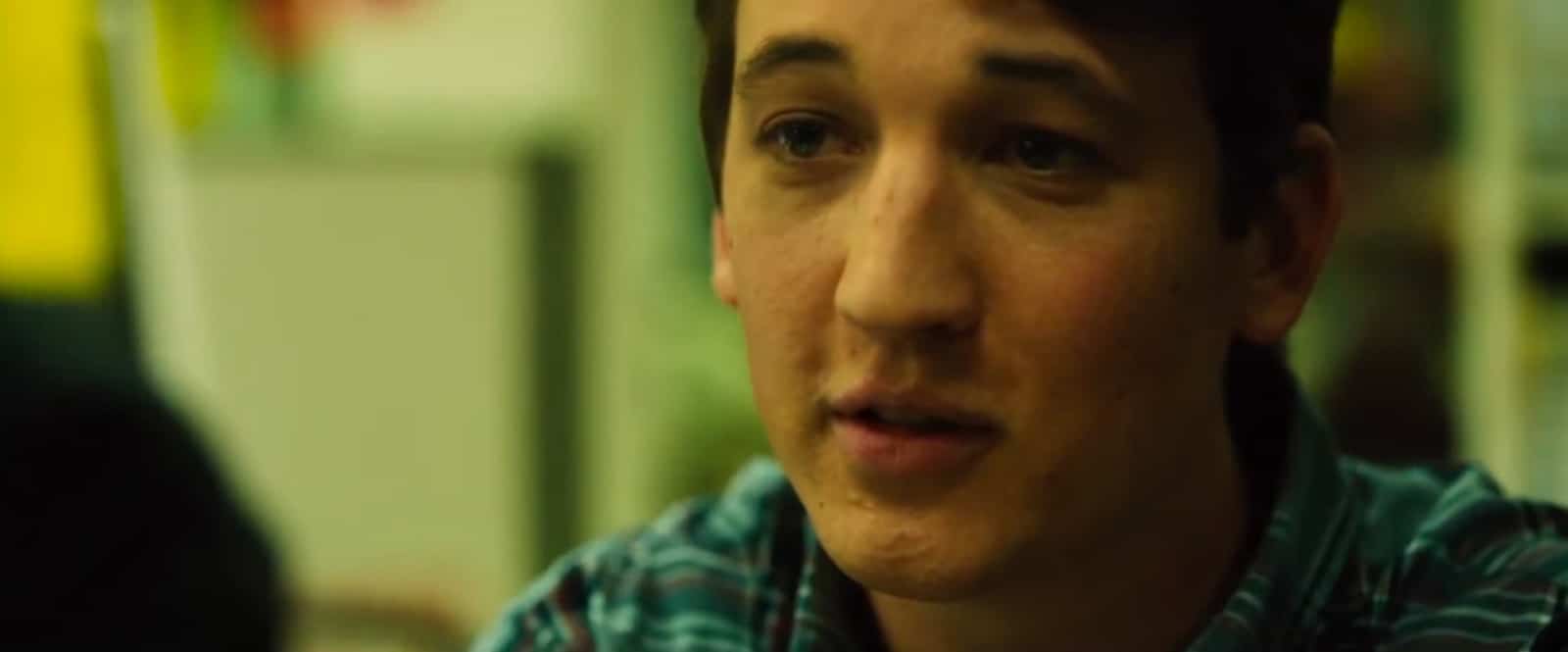
Whiplash uses close up shots to create an intimacy between characters.

This intimacy throughout the movie drives us toward the climax.

close-up-shot-whiplash-5

Close-up shot in Whiplash

Directors have been using close ups on faces since some of the first movies ever made. But there’s only one director whose lasting impact on film can be defined with the close up. His name has become a kind of close-up!

Can you guess who?

THE SPIELBERG FACE CLOSE UP

The Spielberg face is usually a slow dolly, or pan, in on a character’s face as they stare in wonderment at something off screen. You’ve seen it. A lot.

CLICK TO WATCH VIDEO

Close Up Shots

January 19

Tuesday Jan 19th- LESSON: Different types of camera shots in film/Medium Close Up

**NEW** DAILY ATTENDANCE QUESTION**

1) CLICK TO ANSWER DAILY ATTENDANCE QUESTION

  1. Click Student Login
  2. Type in Room #  310569
  3. Type in your Last Name, (then) First Name
  4. Answer Daily Attendance Question

BELL RINGER: CLICK TO WATCH

CNN 10:CLICK TO WATCH CNN 10

MOTIVATIONAL MESSAGE OF THE DAY: CLICK TO WATCH

EXAMPLE VIRTUAL SCHEDULE: 2 Hours 45 Minutes

:00-to-10:00 (10 Minutes)- Bell Ringer Riddle & Video
10:00-to-20:00 (10 Minutes) – CNN 10 News (take daily Notes for Friday Quiz)
20:00-to-30:00( 10 Minutes) – Motivational Message Video
30:00-to-1:30 (1 Hour) – Daily Lesson (Readings, Power points, Video’s, etc)
1:30-to-1:45-( 15 Minutes)  BREAK
1:45-to-2:45 (1 Hour) – Daily Assignment/Project Time  (Readings,Video’s, Quiz, Questions Answering etc)

  1. Answer Daily Attendance Question

2. Watch the three video’s as part of the Greatness Studio Starters 1) Bell Ringer Video 2) CNN 10 News 3) Motivational Video

3. Watch, Listen, Read everything in the Lesson below.

4. Do everything asked for you to do in the Daily Assignment: Read, Watch, Type and answer!

 LESSON: Different types of camera shots in film/MEDIUM CLOSE UP

VIDEO: CLICK TO WATCH

POWERPOINT: CLICK TO READ AND REVIEW

EXTRA READING: CLICK TO READ AND REVIEW

LESSON NOTES:

Great filmmakers not only know all of the different types of camera shots in film and TV, but they know how to use even basic camera shots to emphasize specific moments and story beats in their films.

CAMERE SHOT SIZE DEFINITION

What is shot size?

Shot size is how much of the setting or subject is displayed within a given frame of a video, photo, or animation, hence the scope or size of the shot. Different types of camera shots in film or video communicate different narrative value, and are combined during post-production to tell a story. Most filmmakers use standard names for shot sizes, often abbreviated into 2 or 3 letters on a shot list or storyboard. For example, a close up shot would be abridged to “CU,” or a wide shot would be denoted as “WS.”

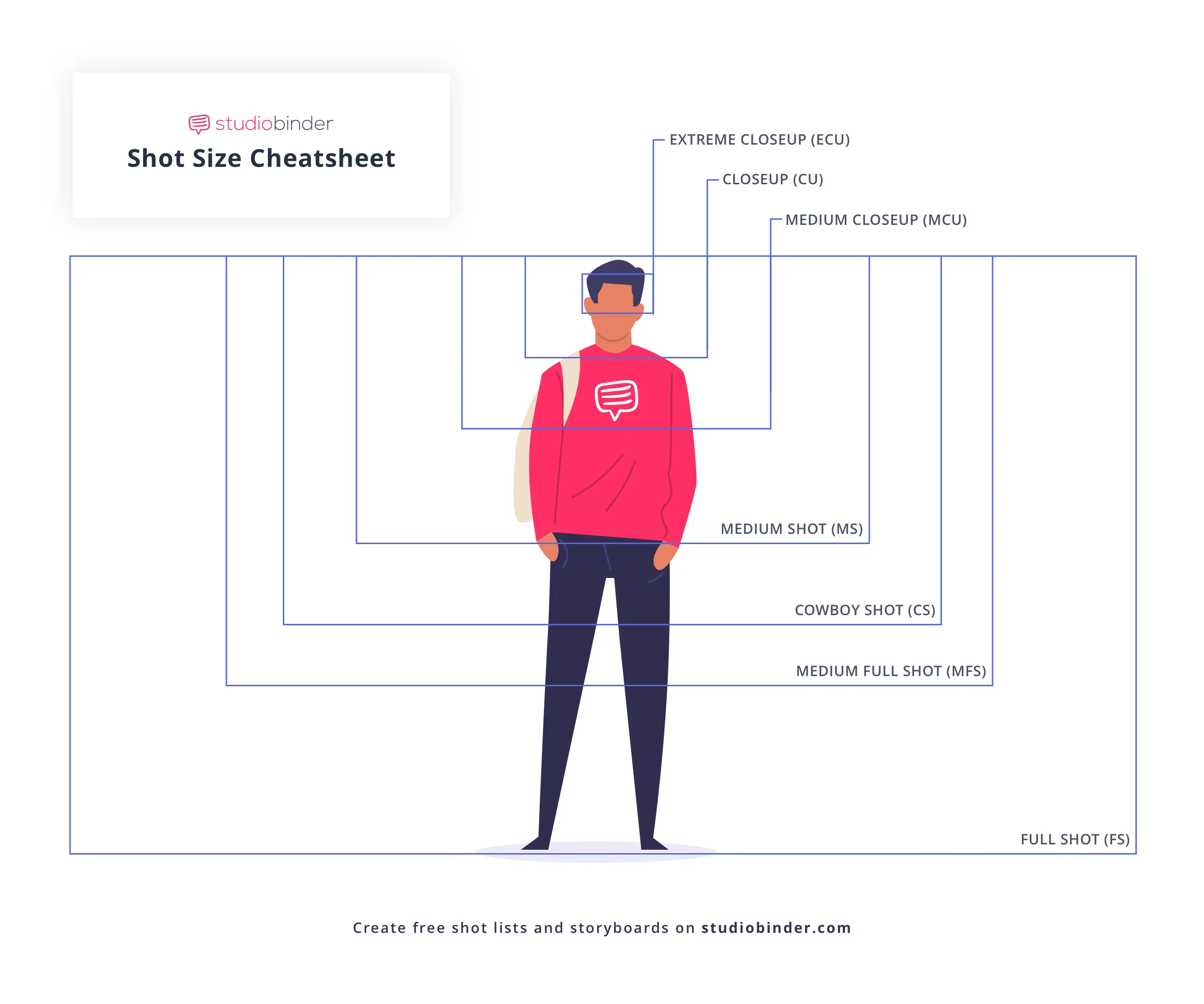
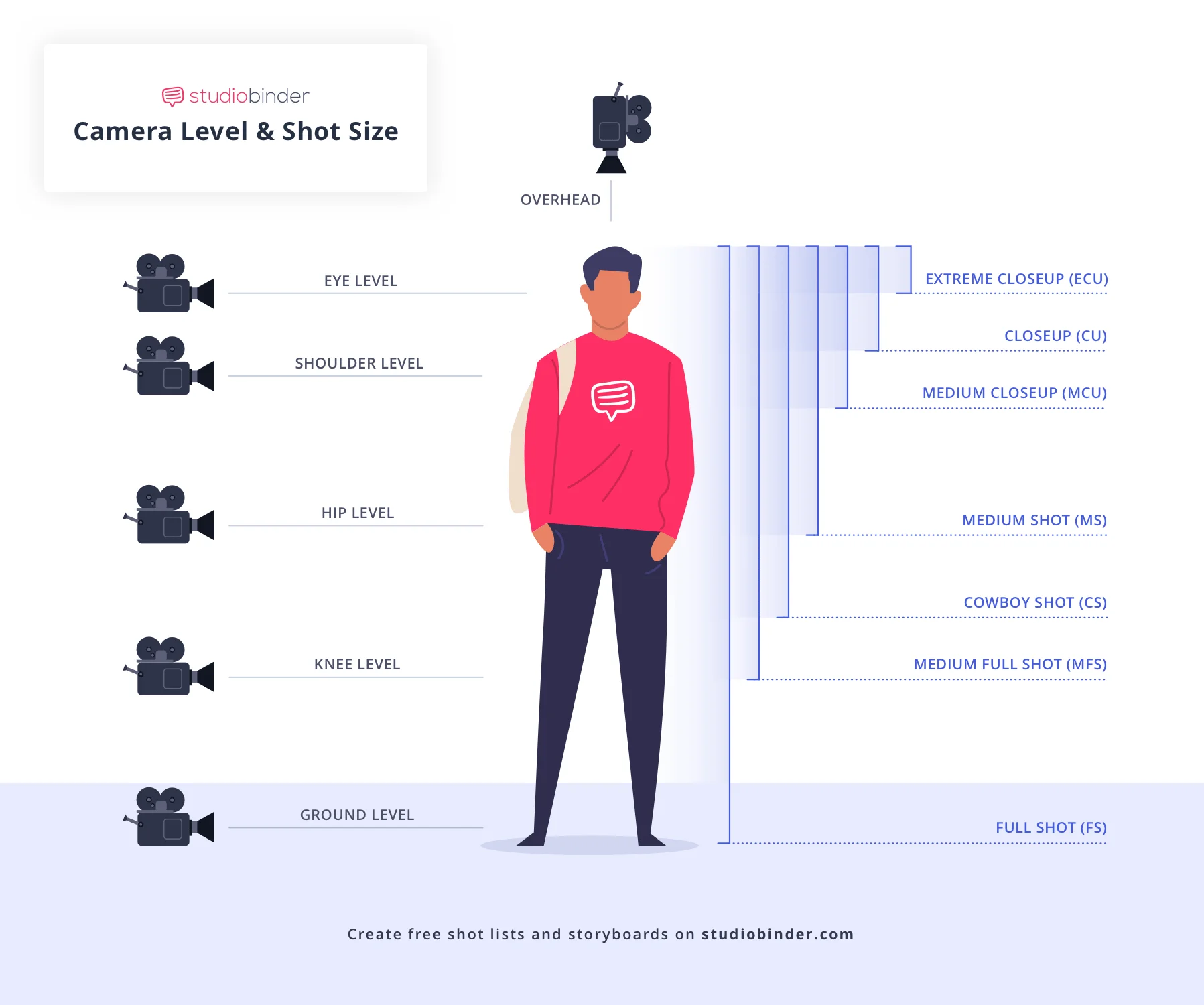
This begins with learning the different camera shot sizes. Here’s a handy chart that lays out some of the basic shot sizes and how they’re defined.

Camera Shots - Chart of Camera Shot Sizes Diagram Infographic - StudioBinder

Camera Shot Size Cheat-Sheet

Which camera shot size to you choose begin your scene? What shot size should come at the end? Which of the various camera angles and levels? Each of these will change the visual message of your shot.

Camera Shots - Level and Shot Sizes Diagram and Chart Infographic - StudioBinder

Camera Levels + Camera Shots

Selecting your shots is part of the fun of filmmaking, but it’s also a very serious decision because each shot size choice you make will alter the surrounding shots, and the way we receive them.

Medium Close Up (MCU)

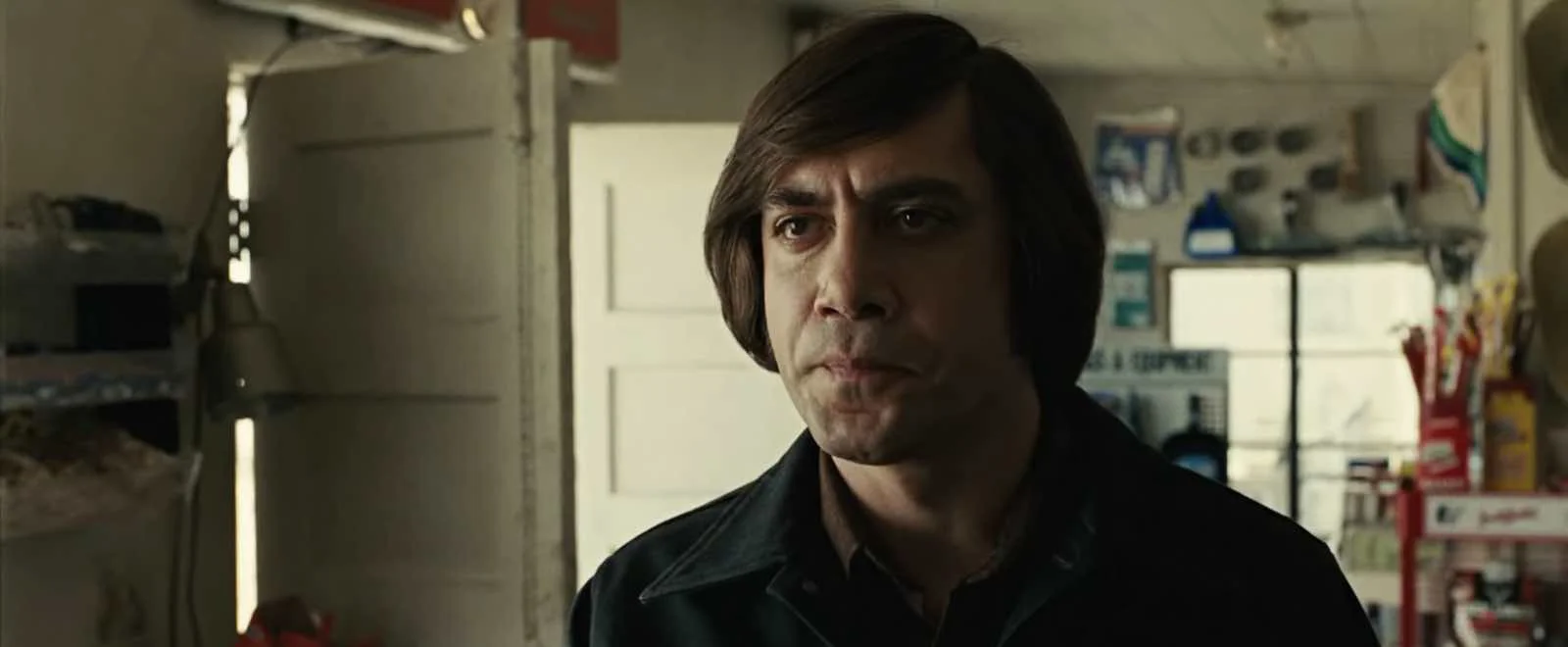
The medium close-up frames your subject from roughly the chest up. So it typically favors the face, but still keeps the subject somewhat distant.

Here’s an example of the medium close-up shot size:

Camera Shot Guide - Medium Close Up - Single Shot - No Country for Old Men - StudioBinder

(MCU) Medium Close Up Example  •  No Country for Old Men

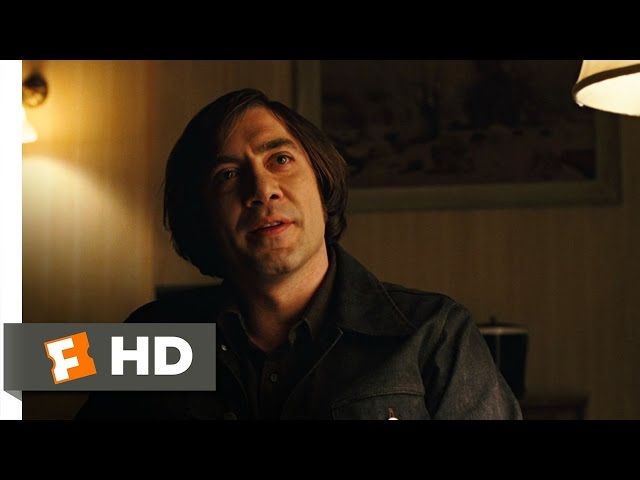
This scene from No Country For Old Men is mostly medium close-ups, close enough to emphasize the subject and wide enough to include the surrounding space around them:

(MCU) Medium Close-Up Camera Shot |  No Country for Old Men

The medium close-up camera shot size also keeps the characters eerily distant even during their face-to-face conversation.

January 15

Friday Jan 15th- LESSON: COWBOY SHOT

NO CLASS ON MONDAY JAN 18th MLK DAY! 

**NEW** DAILY ATTENDANCE QUESTION**

1) CLICK TO ANSWER DAILY ATTENDANCE QUESTION

  1. Click Student Login
  2. Type in Room #  310569
  3. Type in your Last Name, (then) First Name
  4. Answer Daily Attendance Question

BELL RINGER: CLICK TO WATCH VIDEO

CNN 10:CLICK TO WATCH CNN 10

MOTIVATIONAL MESSAGE OF THE DAY: CLICK TO WATCH VIDEO

EXAMPLE VIRTUAL SCHEDULE: 2 Hours 45 Minutes

:00-to-10:00 (10 Minutes)- Bell Ringer Riddle & Video
10:00-to-20:00 (10 Minutes) – CNN 10 News (take daily Notes for Friday Quiz)
20:00-to-30:00( 10 Minutes) – Motivational Message Video
30:00-to-1:30 (1 Hour) – Daily Lesson (Readings, Power points, Video’s, etc)
1:30-to-1:45-( 15 Minutes)  BREAK
1:45-to-2:45 (1 Hour) – Daily Assignment/Project Time  (Readings,Video’s, Quiz, Questions Answering etc)

  1. Answer Daily Attendance Question

2. Watch the three video’s as part of the Greatness Studio Starters 1) Bell Ringer Video 2) CNN 10 News 3) Motivational Video

3. Watch, Listen, Read everything in the Lesson below.

4. Do everything asked for you to do in the Daily Assignment: Read, Watch, Type and answer!

LESSON: COWBOY SHOT

VIDEO: CLICK TO WATCH VIDEO

VIDEO #2: CLICK TO WATCH VIDEO

POWERPOINT: CLICK TO READ AND REVIEW

LESSON NOTES:

COWBOY SHOT DEFINITION

What is a cowboy shot?

The cowboy shot is a shot framed from the face of an actor down to just above the knee, which makes it so you can see both the holstered gun of the cowboy as well a his face. The shot was commonly used in westerns for this reason.

Did you know: The medium shot is sometimes just referred to as the cowboy shot, or the American shot? 

The cowboy shot rose to fame because it was used to shoot cowboys. Particularly in scenes when they were about to shoot each other!

Westerns were one of the most popular genres in film and television for the first half of the 20th century, and they left and indelible mark on the American psyche… AND the name of the medium shot!

We still use the medium shot for our heroes today.

Take a look at this swirling medium shot from The Avengers.

There are plenty of medium shots inside that clip but they chose to end it with the classic hero pose, harkening back to the cowboys of old and showing us the team, now united.

You also get to see the costumes, which are as much a character in themselves.

But how can a director utilize medium shots outside of action?

How about to reveal something about a character? Or a situation?

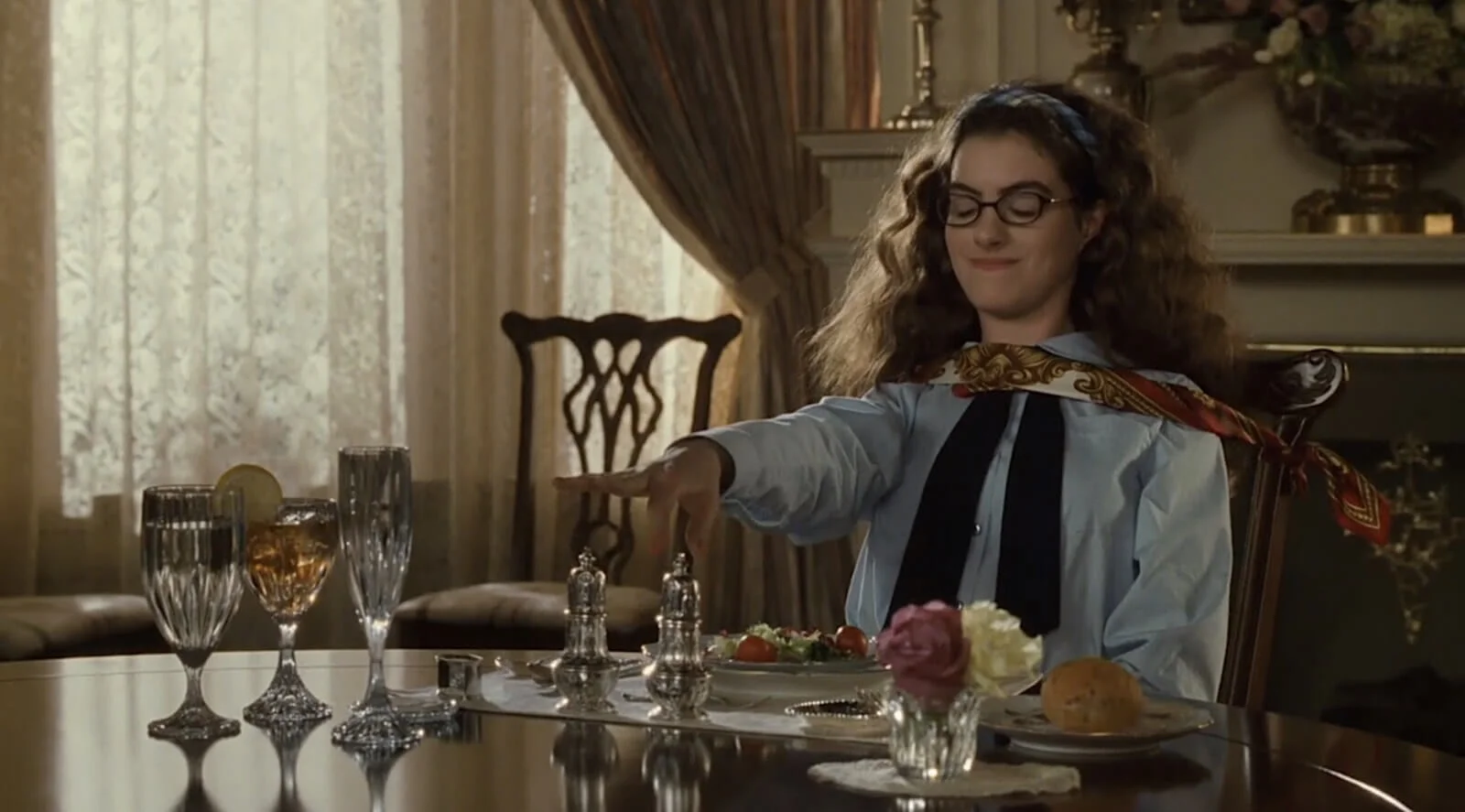
Check out this medium shot from The Princess Diaries. After going to what is basically finishing school, Mia Thermopolis is ready to take on fine dining.

This comedic scene is shot in a medium so we can take in every joke.

Mia is tied to the chair to straighten her back, surrounded by different silverware choices, and etiquette pratfalls. If you were too far away you’d miss the details, too close and you’d miss the jokes.

Medium Close Shot - The Art of the Camera Angle - The Princess Diaries Comedy Medium Shot

Comedies thrive as medium shot films

Most comedies live in medium shots and MCUs, and this is because the performance in comedies are almost more important than many dramas and action films which rely more on the camera work and lighting.

  1. What is a Cowboy shot?
  2. Why is a Cowboy shot used?
  3. How did the Cowboy shot get it’s name?
  4. Give a example of when you would use a Cowboy shot?

CNN 10 QUIZ

1. What country, whose population exceeds 233 million, recently saw its worst nationwide power outage since 2015?
2. What is the two-word term for the low-pressure air mass that’s “locked” in the North Pole but can spill frigid temperatures south when it gets unstable?
3. What U.S. economic indicator remained at 6.7 percent from November to December, though the country’s estimated job losses were 140,000?
4. What amendment to the U.S. Constitution, which deals with the issue of presidential succession, was ratified in 1967?
5. What nation moved forward in holding its popular Harbin Ice and Snow Festival, though restrictions were in place due to coronavirus concerns?
6. What trade show, which was first produced in 1967, was held virtually this year for the first time in its history?
7. After the House of Representatives votes to impeach a president, the leader can only be convicted with the support of at least how many senators?
8. What U.S. health agency will soon require airline travelers to the U.S. to prove they’ve recently tested negative for coronavirus?
9. In what country, which has a population of about 125 million, would you find what’s believed to be the world’s busiest intersection?
10. When he was born in 1929, Martin Luther King, Jr. was given what first name?